

Olea europaea, commonly known as the "olive tree," is an evergreen tree widely recognized and cultivated primarily for its fruit, the olive, from which olive oil is produced. Below are some key details about the plant:
Description: The olive tree can reach a height of 8-15 meters, though it is often shorter, typically around 5-8 meters tall. Its leaves are small, lanceolate, leathery, with a light grayish-green color on the upper surface and silver on the underside. The flowers, which appear in spring, are small, white or whitish, and form small clusters. The fruit is oval or spherical, varying in color from green to black when ripe. These fruits, known as olives, are consumed or processed into olive oil.
Origin: The olive tree is widely cultivated in the Mediterranean region, Southern Europe, North Africa, the Middle East, and other areas like California, Australia, and South America.
Requirements: The olive tree thrives in Mediterranean climates, characterized by hot, dry summers and mild, wet winters. It is drought-resistant and can withstand high temperatures. It prefers well-drained, calcareous soils but can grow in a variety of soils, from poor to nutrient-rich. The olive tree is highly drought-tolerant and can survive in conditions where many other trees would not thrive.
Uses: The primary use of the olive tree is for the production of olive oil, a staple of the Mediterranean diet and used worldwide. It is also used as an ornamental tree in gardens and public spaces due to its resilience and historical significance. Olive wood is hard and durable, often used for making furniture and decorative items.
Olea europaea is one of the most important and versatile trees in agriculture and culture, especially in the Mediterranean region, with significant economic and nutritional value.

Olea europaea | OE004
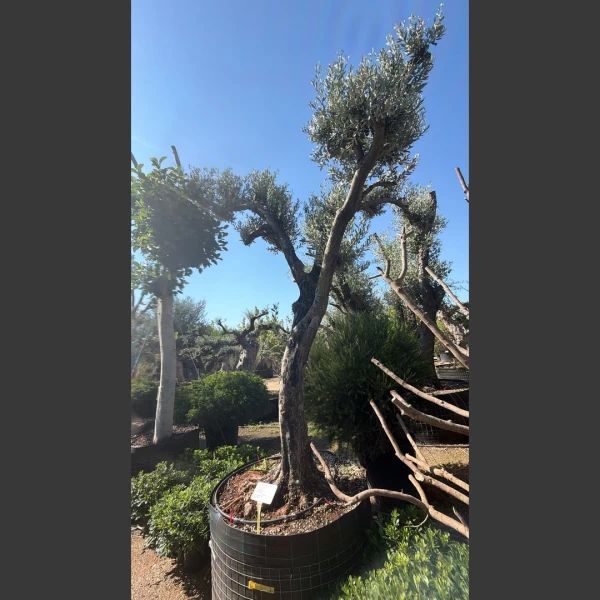
Olea europaea | OE005
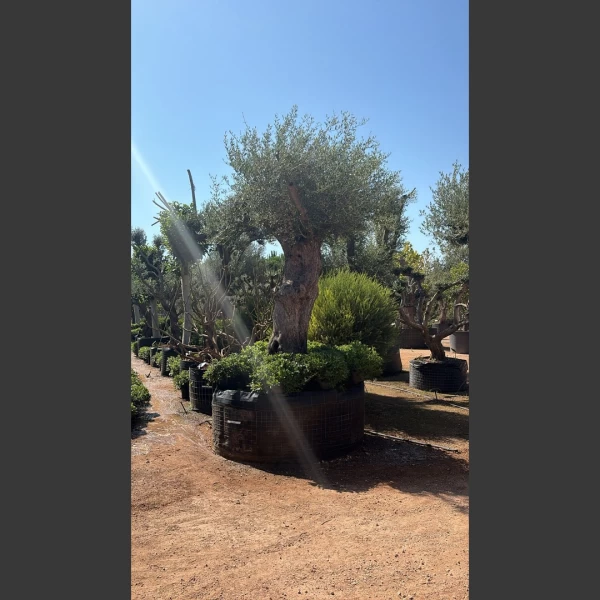
Olea europaea | OE006

Olea europaea | OE009

Olea europaea | OE010
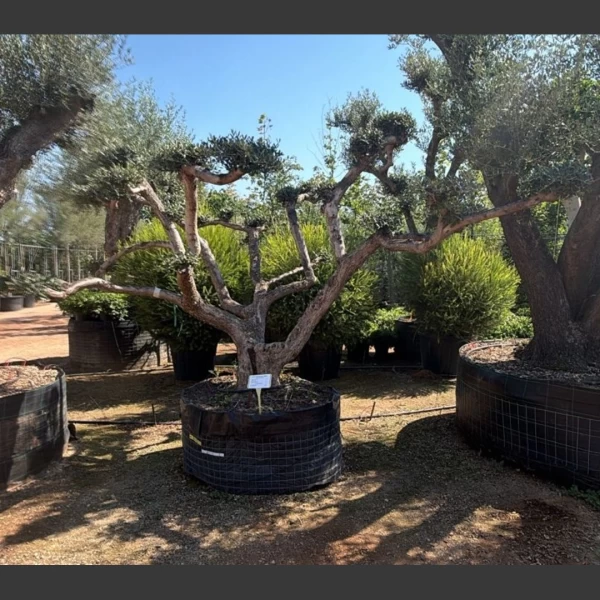
Olea europaea | OE011
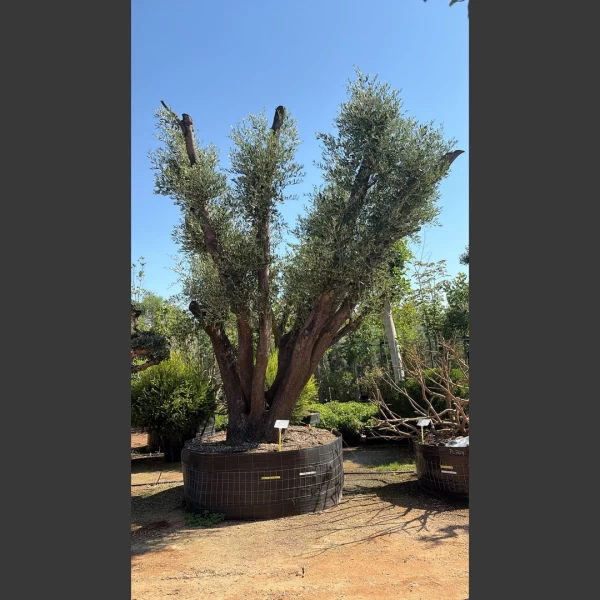
Olea europaea | OE012
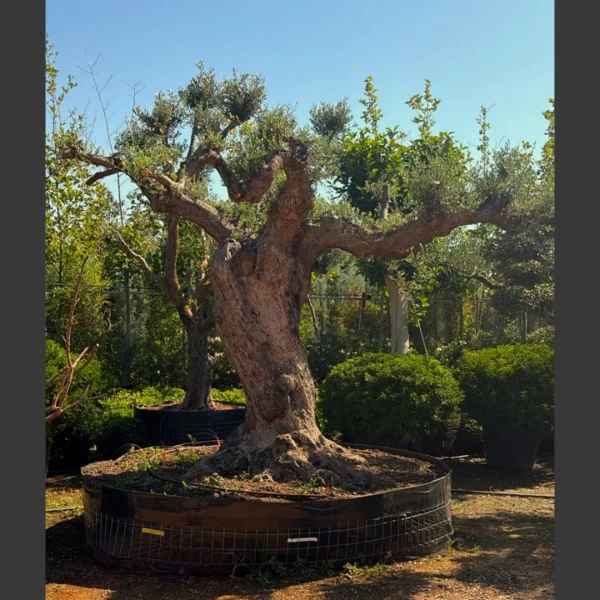
Olea europaea | OE013

Olea europaea | OE014
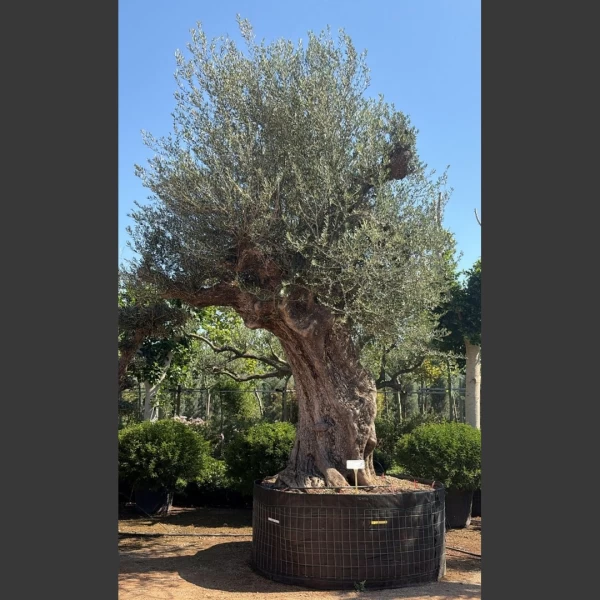
Olea europaea | OE015
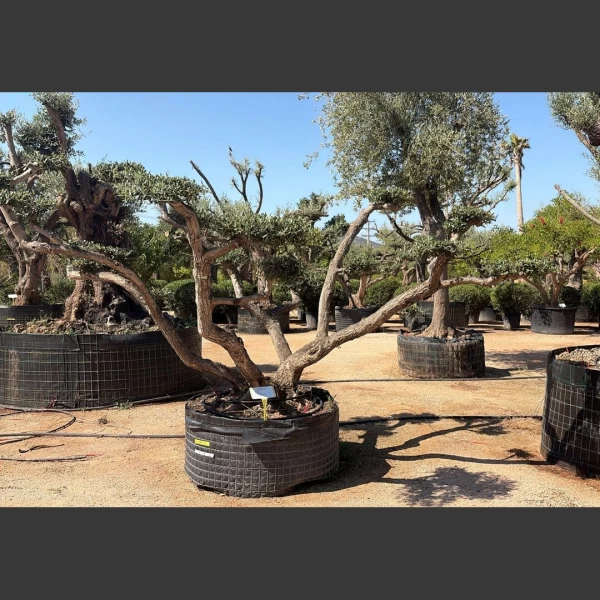
Olea europaea | OE019
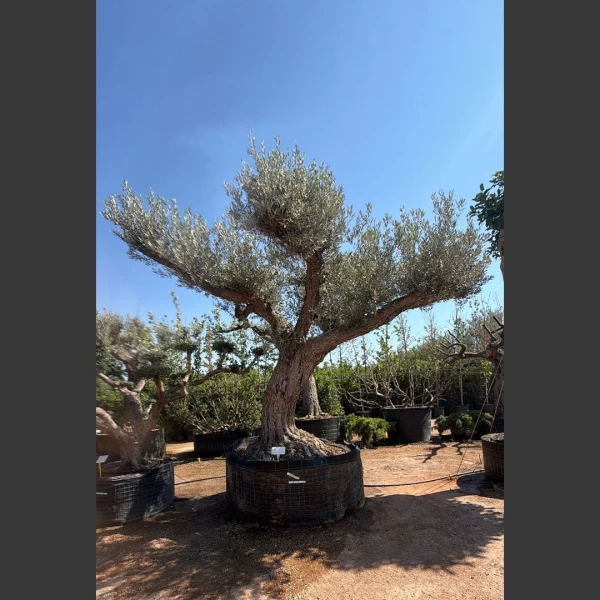
Olea europaea | OE024
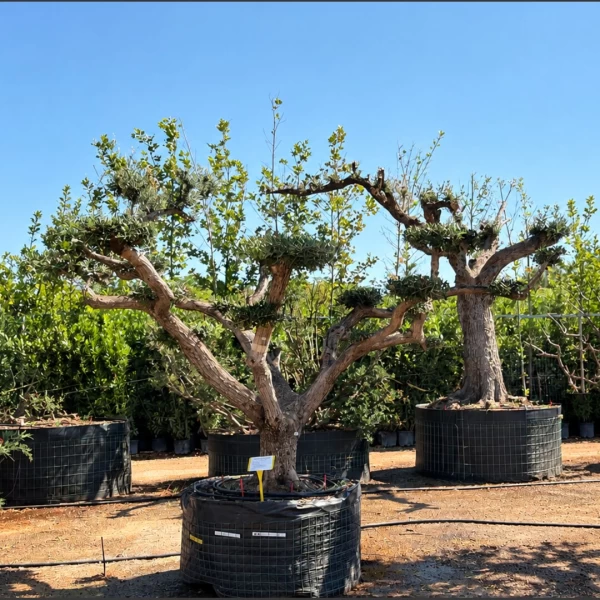
Olea europaea | OE025

Olea europaea | OE032
