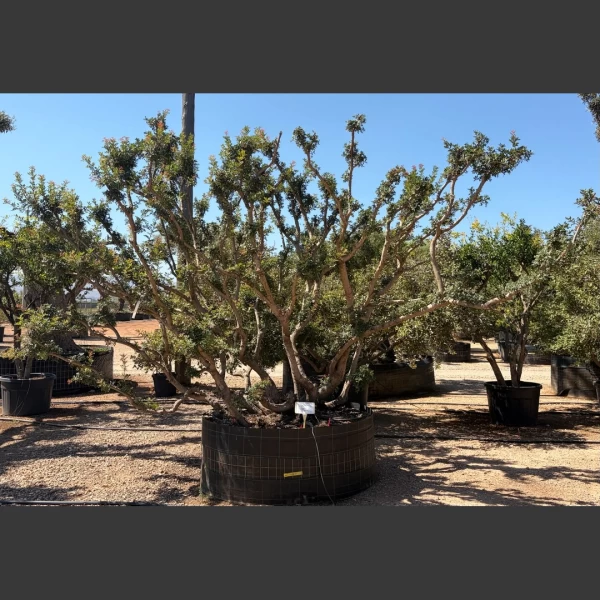
Pistacia lentiscus, commonly known as mastic tree, is a shrub or small tree that belongs to the Anacardiaceae family. Here are some key details about the plant:
Description: Mastic tree typically grows to a height of 2-4 meters, but under ideal conditions, it can reach up to 6 meters. The leaves are green, glossy, leathery, and compound, consisting of 5-13 leaflets with serrated edges. The flowers are small, usually red or green, and appear in small clusters. The plant is dioecious, meaning there are separate male and female plants. The fruits are small, spherical, and can be black or dark red in color, each containing a single seed. The tree also produces a resin known as mastic.
Origin: Pistacia lentiscus is native to the Mediterranean region, particularly the eastern Mediterranean areas such as Greece, Turkey, Cyprus, and northern Africa. It thrives in Mediterranean countries but has also been introduced to other warm regions of the world.
Requirements: Mastic tree thrives in the warm, dry climates typical of the Mediterranean. It is highly resistant to high temperatures and drought. It prefers well-drained soils and can grow in rocky and sandy terrains. It is also tolerant of poor soil fertility and can withstand drought and saline soils, making it ideal for coastal areas.
Uses: The primary product of Pistacia lentiscus is its resin, known as mastic. Mastic is used to produce natural products such as adhesives, perfumes, and pharmaceuticals. It is also used as a flavoring and aromatic ingredient in confectionery and beverage production, especially in the Mediterranean. Traditionally, mastic has been used to relieve digestive issues, such as indigestion and stomach pain. It also possesses antibacterial and anti-inflammatory properties.
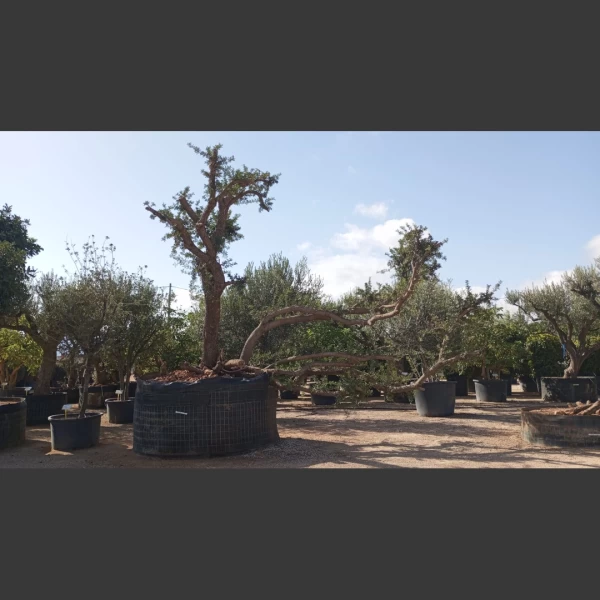
Pistacia lentiscus | PL028

Pistacia lentiscus | PL029

Pistacia lentiscus | PL031
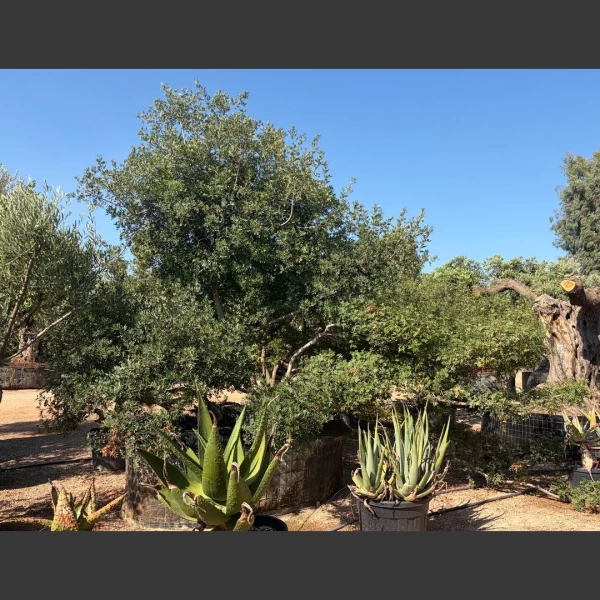
Pistacia lentiscus | PL034

Pistacia lentiscus | PL039
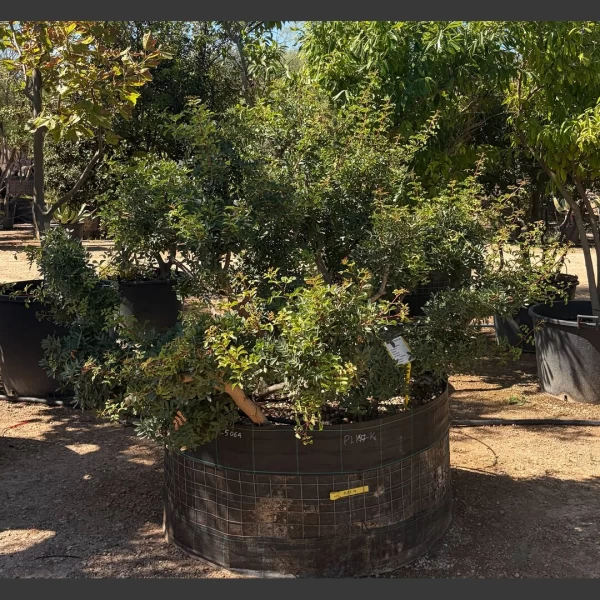
Pistacia lentiscus | PL040

Pistacia lentiscus | PL041
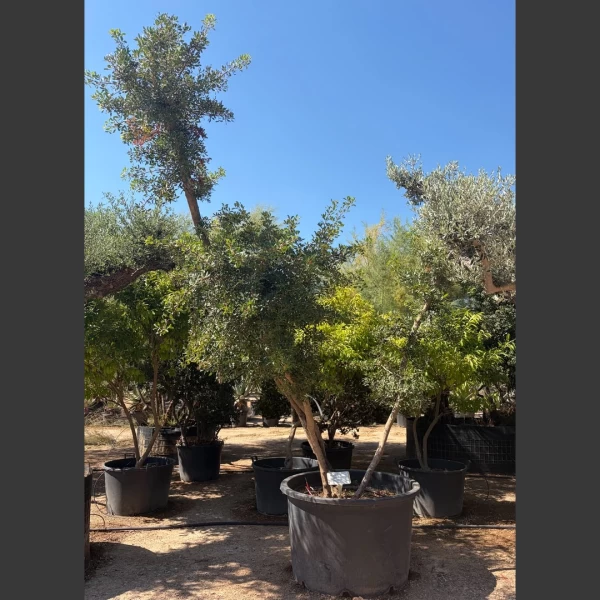
Pistacia lentiscus | PL042
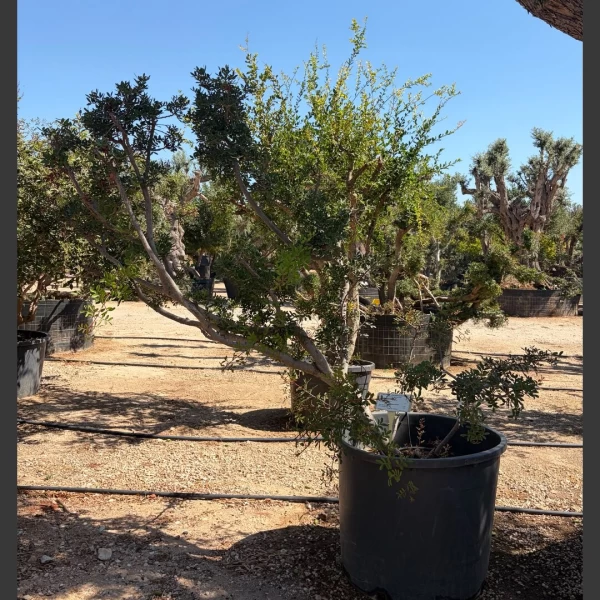
Pistacia lentiscus | PL045
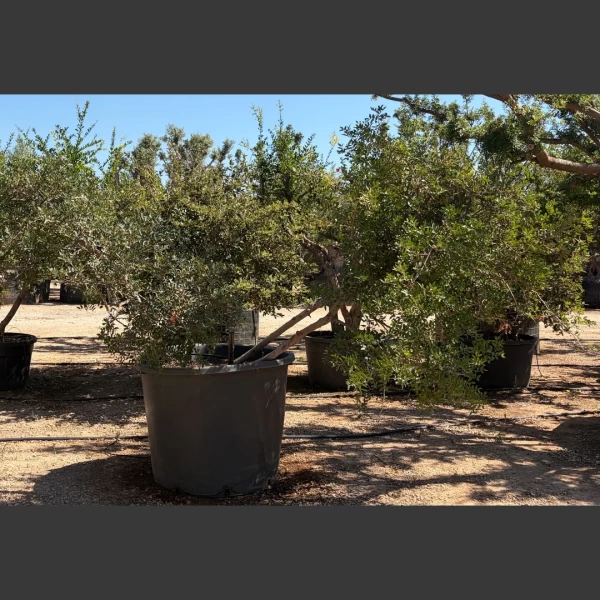
Pistacia lentiscus | PL046

Pistacia lentiscus | PL047

Pistacia lentiscus | PL048

Pistacia lentiscus | PL049
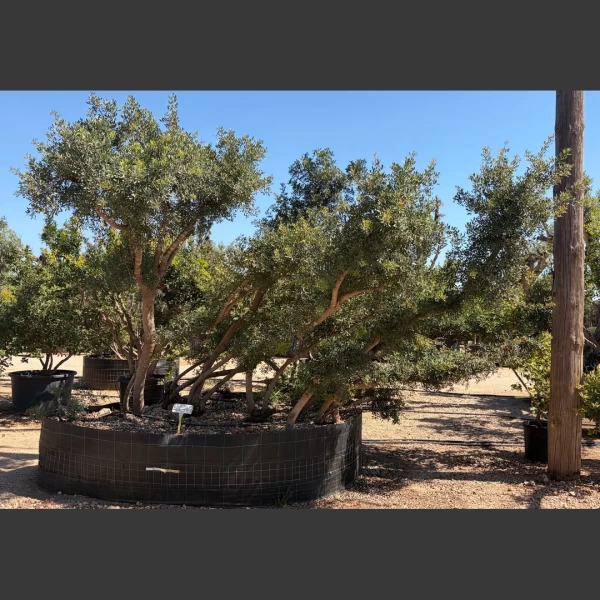
Pistacia lentiscus | PL050