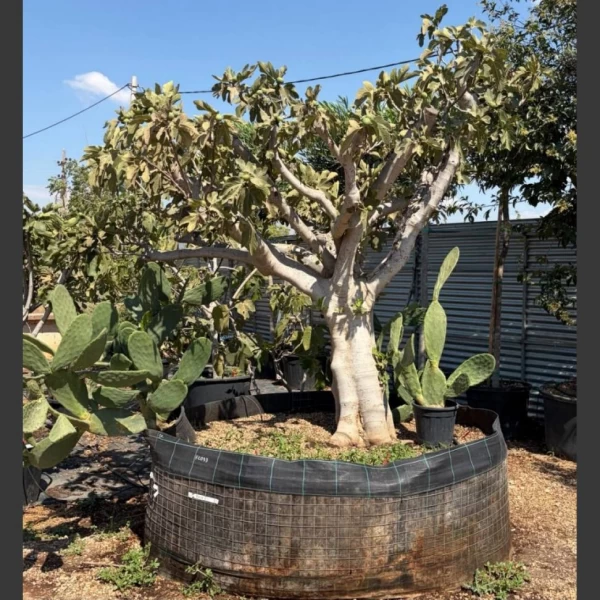
The fig tree (Ficus carica) is a deciduous tree or shrub belonging to the Moraceae family.
Here are some key details about the plant:
Description: Fig trees can grow to a height of 3-10 meters, though it can sometimes reach up to 15 meters. Its leaves are large, heart-shaped, or palmate with a characteristic structure featuring three or five lobes. The fig tree typically does not produce visible flowers; instead, its flowers develop inside the fruit. The fruits are the well-known figs, which can be green, yellow, or purple when ripe. They have a sweet flavor, soft flesh, and many small seeds.
Origin: Fig tree originates from the Mediterranean region and Western Asia. Today, it is widely cultivated in many countries with suitable climates, such as the United States, Australia, and South Africa.
Requirements: Fig tree prefers warm, Mediterranean climates with sunny locations. It struggles in very low temperatures and frost. It thrives in well-drained soils and prefers slightly alkaline or neutral soils. Although it can tolerate poor soils, its productivity increases in richer soils. Regular watering is needed during the growing season, although the tree is relatively drought-tolerant.
Uses: Ficus carica is used for ornamental purposes due to its attractive foliage and impressive fruits. The fruits are edible and consumed fresh or dried. They are used in many recipes, desserts, and jams. The fig tree also has medicinal properties, such as aiding digestion and providing anti-inflammatory benefits.
In general, is a versatile plant with multiple uses and can be highly productive and beautiful when cultivated properly.
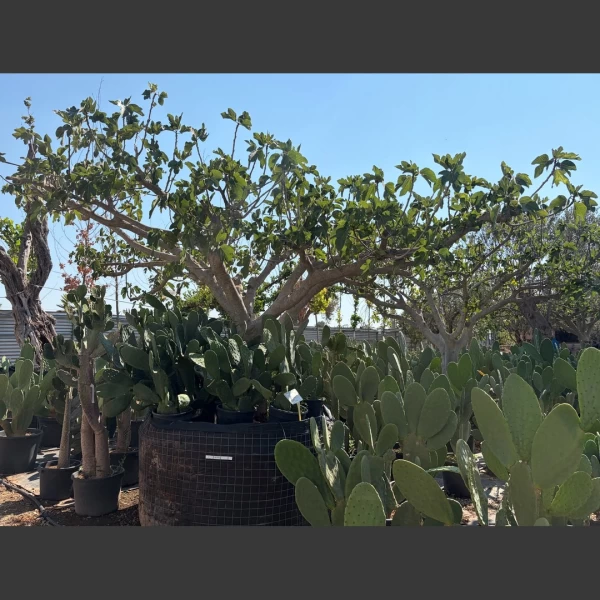
Ficus carica | FCA003
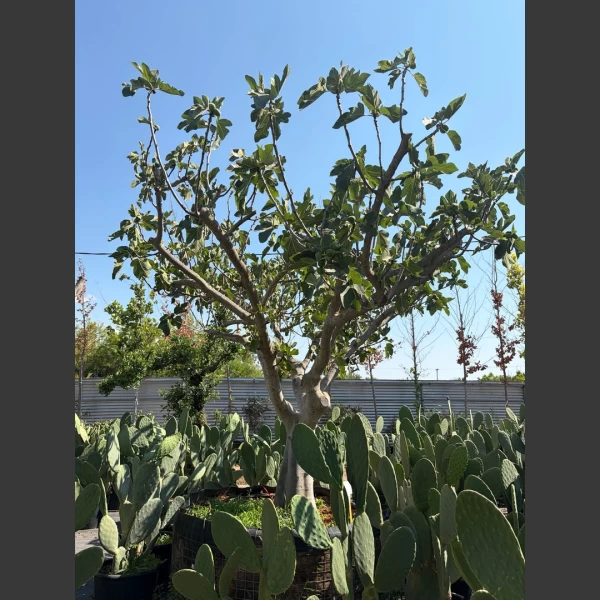
Ficus carica | FCA004

Ficus carica | FCA005

Ficus carica | FCA006